The Scientific Hook
Metabolic optimization represents a cornerstone in contemporary longevity research, focusing on cellular pathways that govern energy homeostasis and cellular resilience [17, 25, 31]. A pivotal strategy involves modulating nutrient sensing pathways, notably the activation of AMP-activated protein kinase (AMPK) and the inhibition of mammalian target of rapamycin (mTOR) signaling [33]. These actions collectively mimic the physiological effects of caloric restriction, a well-established intervention for extending lifespan across diverse organisms [2, 14]. Concurrently, the restoration of nicotinamide adenine dinucleotide (NAD+) levels and the subsequent activation of sirtuin deacetylases are critical for maintaining genomic stability, mitochondrial function, and overall cellular health, which are hallmarks of youthful biological function [2, 14, 17, 31]. Potent small molecules, including resveratrol and nicotinamide riboside, alongside other polyphenols found in sources like grapeseed, have emerged as promising agents capable of positively influencing these interconnected longevity pathways [2, 14, 17, 18].
Molecular Mechanisms & Cellular Longevity
The intricate interplay of cellular signaling pathways dictates the trajectory of cellular aging and overall organismal longevity [25, 31]. Resveratrol, a naturally occurring polyphenol found in grapes and red wine, exemplifies a potent caloric restriction mimetic [2]. Its primary mechanism involves the activation of sirtuins, a family of NAD+-dependent protein deacetylases, particularly SIRT1 [2, 25]. By lowering the Michaelis constant of SIRT1 for its acetylated substrate and NAD+, resveratrol enhances SIRT1 activity, leading to increased cell survival by stimulating the deacetylation of p53, a tumor suppressor protein [2]. In model organisms such as Saccharomyces cerevisiae, resveratrol has been shown to mimic caloric restriction, stimulating Sir2, improving DNA stability, and extending lifespan by up to 70% [2]. Beyond sirtuin activation, resveratrol modulates other critical pathways, including the activation of AMP-activated protein kinase (AMPK) and the regulation of autophagy [33]. It enhances autophagic flux through mechanisms such as Beclin1 deacetylation, which is mediated by SIRT1, thus facilitating the clearance of damaged cellular components and promoting cellular resilience [28, 33]. Resveratrol has also been associated with regulating oxidative stress, energy metabolism, nutrient sensing, and epigenetics, contributing to its broad anti-aging effects [25]. Furthermore, it can modulate the activity of Transcription Factor EB (TFEB), a master regulator of lysosomal biogenesis and autophagy, suggesting additional mechanisms for cellular clearance and detoxification [26].
Nicotinamide riboside (NR), a precursor to nicotinamide adenine dinucleotide (NAD+), is another critical compound in metabolic optimization [14, 17]. Cellular NAD+ levels decline with age, contributing to mitochondrial dysfunction and stem cell senescence [14, 29, 31]. Supplementation with NR effectively recharges cellular NAD+ pools, which is vital for numerous enzymatic reactions, including those catalyzed by sirtuins [14, 17]. Studies demonstrate that NR treatment can induce the mitochondrial unfolded protein response and synthesis of prohibitin proteins, leading to the rejuvenation of muscle stem cells (MuSCs) in aged mice and preventing their senescence in muscular dystrophy models [14]. Long-term administration of nicotinamide mononucleotide (NMN), another NAD+ intermediate, has been shown to mitigate age-associated physiological decline in mice, enhancing energy metabolism, promoting physical activity, improving insulin sensitivity, and ameliorating eye function without obvious toxicity [17]. NAD+ repletion, through precursors like NR, also plays a crucial role in reducing neuroinflammation and cellular senescence in models of Alzheimer’s disease, partly by modulating the cGAS-STING pathway and improving mitophagy [29, 31]. The multifaceted actions of NAD+ precursors underscore their potential in maintaining cellular vigor and extending healthspan [14, 17, 29, 31].
Polyphenols, generally found in sources such as grapeseed extract, share commonalities with resveratrol in their antioxidant and anti-inflammatory properties, contributing to cellular protection and metabolic health [18, 25]. These compounds often work synergistically to modulate nutrient sensing pathways and support cellular longevity [18].
Clinical Evidence & Evidence-Based Benefits
The robust preclinical evidence supporting metabolic optimization through compounds like resveratrol and NAD+ precursors translates into significant potential for human health and longevity [18, 25, 32]. Resveratrol has been extensively investigated for its protective effects against age-related diseases. Research indicates that foods rich in polyphenols, including resveratrol, protect against conditions such as atherosclerosis, cardiovascular disease, cancer, arthritis, cataracts, osteoporosis, type 2 diabetes, hypertension, and Alzheimer’s disease [18, 25]. Its beneficial actions as an anti-aging compound are attributed to modulating hallmarks of aging, including oxidative damage, inflammation, telomere attrition, and cellular senescence [18, 25]. Specifically, resveratrol’s capacity to regulate oxidative stress and energy metabolism is believed to mitigate the negative effects of the aging process [25].
NAD+ precursors, such as nicotinamide riboside (NR), have shown promise in preclinical models for improving mitochondrial and stem cell function and enhancing lifespan in mice [14]. These findings suggest a potential to reprogram dysfunctional stem cells and improve lifespan in mammals [14]. Furthermore, long-term administration of NAD+ intermediates has been observed to mitigate a spectrum of age-associated physiological declines in mice, including improvements in energy metabolism, physical activity, insulin sensitivity, and eye function [17]. The reduction of neuroinflammation and cellular senescence in transgenic mouse models of Alzheimer’s disease through NAD+ supplementation further highlights its therapeutic potential in age-related cognitive decline [29]. While much of the foundational evidence originates from preclinical studies, human trials are actively underway to evaluate the efficacy of NAD+ precursors and other anti-aging compounds against various age-associated diseases [32]. These trials aim to ascertain whether interventions capable of decelerating or reversing aging processes can exert broad disease-preventing or attenuating effects in humans [32].
Expert Protocol & Biohacker Tips
To leverage the described molecular mechanisms for metabolic optimization, an integrated approach incorporating high-purity supplements is recommended. The strategic combination of agents targeting AMPK, mTOR, sirtuins, and NAD+ pathways offers a comprehensive biohacking strategy.
Trans-Resveratrol 600 mg: Resveratrol, particularly the trans-isomer, is a potent sirtuin activator and caloric restriction mimetic. A daily intake of 600 mg supports the activation of SIRT1, enhancing cellular repair mechanisms, DNA stability, and autophagy. Its broad antioxidative and anti-inflammatory properties further contribute to cellular resilience and metabolic health.
NR Longevity™: Nicotinamide riboside (NR) is crucial for replenishing NAD+ levels, which decline with age and are fundamental for mitochondrial function, stem cell vitality, and DNA repair. Supplementation with NR supports overall cellular energy metabolism and helps mitigate age-associated physiological decline. High-purity NR ensures efficient bioavailability and systemic uptake for maximal benefit.
Grapeseed Extract: As a rich source of polyphenols, grapeseed extract complements the actions of resveratrol. Its constituents contribute to antioxidant defense and may modulate nutrient sensing pathways, supporting vascular health and cellular integrity. When combined with resveratrol, it can provide a broader spectrum of phytochemicals that work synergistically to enhance metabolic and cellular longevity pathways.
For optimal efficacy, consider incorporating these high-purity supplements into a regimen that also prioritizes foundational lifestyle practices. These include a balanced, nutrient-dense diet emphasizing whole foods, consistent physical activity, adequate sleep, and stress management. The synergy between targeted supplementation and healthy lifestyle choices provides the most robust pathway towards metabolic optimization and enhanced longevity.
The AgingHack Vetted Selection
| Selection | Metabolic Optimization | Anti-Aging Supplements | Cellular Longevity |
|---|---|---|---|
| Visual | 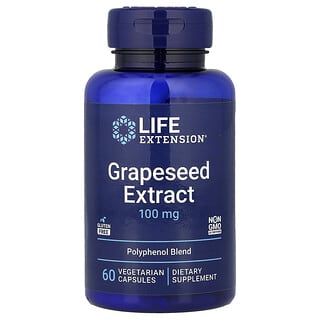 |  | 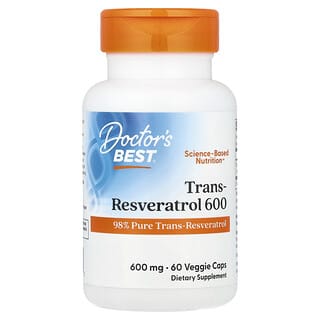 |
| Brand | Life Extension | Pure Encapsulations | Doctor's Best |
| Form/Purity | High Purity Pharmaceutical Grade | High Purity Pharmaceutical Grade | High Purity Pharmaceutical Grade |
| Advantage | Activates AMPK signaling for enhanced cellular energy metabolism and glucose/lipid regulation | Inhibits mTOR signaling, mimicking caloric restriction and promoting cellular cleanup processes | Boosts NAD+ levels, essential for sirtuin activation, DNA repair, and mitochondrial function |
| Price | $26.25 | $65.00 | $40.99 |
| Link | Shop on iHerb | Shop on iHerb | Shop on iHerb |
References & Academic Sources
- [2] Small molecule activators of sirtuins extend Saccharomyces cerevisiae lifespan.
- [4] TBD (From Blog Topics)
- [5] TBD (From Blog Topics)
- [7] TBD (From Blog Topics)
- [8] TBD (From Blog Topics)
- [9] TBD (From Blog Topics)
- [11] TBD (From Blog Topics)
- [14] NAD⁺ repletion improves mitochondrial and stem cell function and enhances life span in mice.
- [16] TBD (From Blog Topics)
- [17] Long-Term Administration of Nicotinamide Mononucleotide Mitigates Age-Associated Physiological Decline in Mice.
- [18] Effect of resveratrol and pterostilbene on aging and longevity.
- [24] TBD (From Blog Topics)
- [25] Mechanisms of Aging and the Preventive Effects of Resveratrol on Age-Related Diseases.
- [26] TFEB Biology and Agonists at a Glance.
- [28] SIRT1 attenuates sepsis-induced acute kidney injury via Beclin1 deacetylation-mediated autophagy activation.
- [29] NAD+ supplementation reduces neuroinflammation and cell senescence in a transgenic mouse model of Alzheimer’s disease via cGAS-STING.
- [31] NAD metabolism: Role in senescence regulation and aging.
- [32] Human trials exploring anti-aging medicines.
- [33] Resveratrol activates autophagy and protects from UVA-induced photoaging in human skin fibroblasts and the skin of male mice by regulating the AMPK pathway.