The Scientific Hook
Aging is a complex biological process characterized by progressive cellular and molecular damage, culminating in functional decline and increased susceptibility to age-related diseases [2]. A key hallmark of aging is the accumulation of senescent cells, which are cells that have ceased dividing but remain metabolically active, secreting a pro-inflammatory senescence-associated secretory phenotype (SASP) [2, 5]. This chronic low-grade inflammation and tissue damage contribute significantly to age-related pathology [5]. Therapeutic strategies aimed at selectively eliminating these senescent cells, known as senolytics, represent a promising avenue for improving healthspan and mitigating the burden of chronic diseases [2, 5].
Molecular Mechanisms & Cellular Longevity
Cellular senescence is a state of irreversible growth arrest induced by various stressors, including DNA damage and telomere attrition [2]. Senescent cells exhibit resistance to apoptosis due to increased expression of pro-survival networks [2]. Quercetin, a naturally occurring flavonoid, has been identified as a potent senolytic agent that selectively targets and eliminates these dysfunctional cells [2]. Mechanistically, quercetin acts by disrupting the pro-survival pathways that enable senescent cells to evade apoptosis [2]. Studies have shown quercetin to be effective against senescent human endothelial cells and mouse bone marrow-derived mesenchymal stem cells (BM-MSCs) [2]. The clearance of senescent cells by quercetin leads to a significant reduction in the SASP, thereby attenuating chronic inflammation and its detrimental effects on surrounding tissues [2, 13]. This reduction in cellular burden and inflammatory signaling contributes to enhanced cellular homeostasis, improved tissue function, and ultimately supports overall cellular longevity [5, 9]. Furthermore, quercetin has been demonstrated to regulate MST1-mediated autophagy, which in turn delays senescence and reduces lipid accumulation in oxidized low-density lipoprotein (ox-LDL)-induced macrophage foam cells, offering a protective mechanism against age-related cellular damage [9].
Clinical Evidence & Evidence-Based Benefits
Preclinical research provides robust evidence for the therapeutic efficacy of senolytic agents, including quercetin, in attenuating age-related decline and improving various health parameters. In aged mice, a single administration of the senolytic combination dasatinib and quercetin led to improved cardiac function and carotid vascular reactivity within five days [2]. Following radiation exposure, a single dose enhanced exercise capacity for at least seven months post-treatment [2]. Periodic administration of this combination extended the healthspan in progeroid mice, delaying age-related symptoms, pathology, osteoporosis, and the loss of intervertebral disk proteoglycans [2].
The impact of senescent cells on organismal health is profound; transplanting relatively small numbers of senescent cells into young mice was sufficient to induce persistent physical dysfunction and spread senescence to host tissues [5]. Conversely, intermittent oral administration of dasatinib plus quercetin to both senescent cell-transplanted young mice and naturally aged mice significantly alleviated physical dysfunction and increased post-treatment survival by 36% [5]. These treatments also reduced the number of naturally occurring senescent cells and their secretion of frailty-related pro-inflammatory cytokines in human adipose tissue explants [5].
Senolytics also show promise in mitigating neurodegenerative pathologies. Tau protein aggregation, a critical factor in Alzheimer’s disease (AD) and other tauopathies, has been strongly associated with cellular senescence in the brain [6]. Treatment of tau transgenic mice with senolytics reduced total neurofibrillary tangle density, neuron loss, and ventricular enlargement, even in advanced disease stages [6]. Furthermore, in AD mouse models, senolytic therapy selectively removed amyloid-beta (Aβ) plaque-associated oligodendrocyte progenitor cell senescence, reducing neuroinflammation, Aβ load, and ameliorating cognitive deficits [8].
Beyond central nervous system benefits, quercetin suppresses the progression of atherosclerosis by regulating MST1-mediated autophagy in ox-LDL-induced RAW264.7 macrophage foam cells, thereby reducing lipid accumulation and delaying cellular senescence [9]. Metabolic dysfunction, a common feature of aging, is also addressed by senolytic therapy. In old mice, dasatinib and quercetin treatment significantly attenuated adipose tissue inflammation, suppressing the expression of pro-inflammatory SASP genes and reducing immune cell infiltration [13]. This intervention also improved systemic metabolic function, including lower fasting blood glucose, enhanced glucose tolerance, improved insulin-stimulated suppression of plasma non-esterified fatty acids (NEFAs), and reduced plasma triglycerides [13].
Expert Protocol & Biohacker Tips
Current research indicates that senolytic therapies, such as those involving quercetin, are optimally effective when administered intermittently rather than continuously. Studies have demonstrated that a single administration of the dasatinib and quercetin combination can yield long-lasting beneficial effects in various murine models, reducing senescent cell burden and positively impacting healthspan for several months [2]. Intermittent oral administration of senolytics has been shown to enhance remaining healthspan and reduce mortality hazard in aged mice [5]. The Jarrow Formulas Quercetin product, supplying 500 mg per capsule, provides a concentrated dose of this flavonoid, consistent with levels investigated in studies demonstrating its senolytic properties [2, 9]. Integrating senolytic agents like quercetin into a broader health optimization strategy is crucial for achieving comprehensive anti-aging benefits. This strategy may complement other interventions aimed at enhancing overall cellular resilience and function, such as those targeting NAD+ metabolism and sirtuin activity, to collectively mitigate the hallmarks of aging and maximize impact on cellular longevity [2, 5].
The AgingHack Vetted Selection
| Selection | Senolytic | Cellular Longevity Support | Antioxidant |
|---|---|---|---|
| Visual | 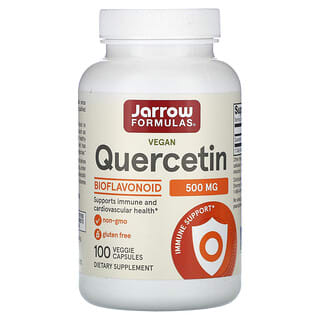 |  |  |
| Brand | Jarrow Formulas | Jarrow Formulas | Jarrow Formulas |
| Form/Purity | High Purity Pharmaceutical Grade | High Purity Pharmaceutical Grade | High Purity Pharmaceutical Grade |
| Advantage | Selective elimination of senescent cells, reducing their burden in tissues [2, 5] | Reduces chronic inflammation by clearing senescent cells and their pro-inflammatory SASP [2, 13] | Supports metabolic health by improving glucose tolerance and lipid metabolism in aged organisms [13] |
| Price | $33.95 | $62.41 | $15.59 |
| Link | Shop on iHerb | Shop on iHerb | Shop on iHerb |
References & Academic Sources
- [2] The Achilles’ heel of senescent cells: from transcriptome to senolytic drugs.
- [3] TBD (From Blog Topics)
- [5] Senolytics improve physical function and increase lifespan in old age.
- [6] Tau protein aggregation is associated with cellular senescence in the brain.
- [8] Senolytic therapy alleviates Aβ-associated oligodendrocyte progenitor cell senescence and cognitive deficits in an Alzheimer’s disease model.
- [9] Quercetin Suppresses the Progression of Atherosclerosis by Regulating MST1-Mediated Autophagy in ox-LDL-Induced RAW264.7 Macrophage Foam Cells.
- [13] Senolytic drugs, dasatinib and quercetin, attenuate adipose tissue inflammation, and ameliorate metabolic function in old age.