Resveratrol: Unlocking the Secrets to Extended Health and Cellular Vitality
In the quest for extended health and improved longevity, certain natural compounds have captured the attention of scientists and biohackers alike. Among them, Resveratrol stands out as a powerful polyphenol, a naturally occurring plant compound found in red wine, grapes, peanuts, and some berries. Its remarkable potential to influence cellular processes associated with aging has propelled it to the forefront of discussions on anti-aging and reverse-aging strategies.
The burgeoning field of longevity science is increasingly focused on understanding and modulating the fundamental biological mechanisms that drive aging. Resveratrol’s ability to interact with these intricate pathways positions it as a promising ingredient for those seeking to enhance cellular resilience and potentially slow the march of time.
Decoding the Science: Resveratrol’s Impact on Longevity
Recent scientific inquiry, as highlighted in several impactful research papers, sheds light on how Resveratrol may contribute to a longer, healthier lifespan by influencing key cellular processes:
Promoting Cellular Defense and Survival
One critical aspect of healthy aging is the cell’s ability to resist and recover from damage. Research into ferroptosis, a form of regulated cell death characterized by the iron-dependent accumulation of lethal lipid hydroperoxides, reveals a fundamental vulnerability in cellular membranes. Cells possess complex systems to both exploit and defend against this vulnerability. While not directly detailing Resveratrol’s role in this specific paper, the very existence of such precise cell death pathways underscores the importance of maintaining cellular integrity for longevity. Compounds like Resveratrol, known for their antioxidant and protective properties, are hypothesized to contribute to cellular resilience by potentially modulating such death pathways, thereby preserving vital cell functions.
Similarly, the broader understanding of molecular mechanisms of cell death is crucial for advancing anti-aging interventions. The classification and interpretation of various cell death subroutines – from apoptosis to necroptosis and others – provide a framework for identifying targets for therapeutic intervention. By influencing these intricate death pathways, compounds like Resveratrol could help maintain a healthier balance of cell turnover, preventing premature cell loss while ensuring the removal of damaged cells, a hallmark of youthful cellular function.
Modulating Inflammatory Responses
Chronic inflammation is a significant contributor to age-related diseases and overall decline. Research exploring the link from inflammation to sickness and depression highlights how continuous activation of the peripheral immune system, such as during chronic infections or autoimmune conditions, can lead to systemic issues and impact brain health. The immune system’s signaling to the brain can exacerbate symptoms of sickness and even contribute to depression in vulnerable individuals. Resveratrol is recognized for its ability to modulate inflammatory pathways, potentially buffering the systemic impact of chronic immune activation. By helping to mitigate excessive inflammatory signaling, Resveratrol could support long-term cellular and systemic health, which is integral to healthy aging and maintaining cognitive function as we age.
Directly Enhancing Health and Survival
Perhaps the most compelling evidence for Resveratrol’s anti-aging potential comes from studies directly observing its effects on living organisms. Research has demonstrated that Resveratrol improves the health and survival of mice on a high-calorie diet. Specifically, middle-aged mice fed a high-calorie diet, when supplemented with Resveratrol, exhibited a physiological profile remarkably similar to mice on a standard diet. Crucially, these mice also showed a statistically significant increase in their overall survival. This direct evidence suggests that Resveratrol can influence metabolism and cellular health in a way that positively impacts longevity, even in the face of metabolic stress. This physiological shift towards a healthier state is a powerful indicator of its “reverse-aging” potential, meaning it can help restore aspects of youthful function or mitigate age-related decline.
The Benefits: Cellular Health and Reverse-Aging Potential
Synthesizing these scientific insights, Resveratrol’s potential benefits for reverse-aging and cellular health are multifaceted:
- Cellular Protection: By supporting mechanisms that defend against harmful forms of regulated cell death, Resveratrol contributes to the preservation of functional cells and tissues, a cornerstone of longevity.
- Reduced Inflammation: Its capacity to modulate inflammatory responses can help combat chronic, low-grade inflammation that accelerates aging and contributes to numerous age-related diseases.
- Metabolic Optimization: As demonstrated in mouse studies, Resveratrol can help shift metabolic physiology towards a healthier state, potentially mitigating the negative impacts of dietary stressors and supporting long-term metabolic health.
- Enhanced Survival and Vitality: The observed increase in survival and improved health parameters in animal models directly points to Resveratrol’s ability to promote a longer, healthier lifespan by influencing fundamental biological processes.
In conclusion, the scientific community continues to uncover the depth of Resveratrol’s influence on cellular processes critical for aging. Its demonstrated ability to enhance survival and shift physiological parameters in animal models, coupled with its potential to modulate inflammatory and cell death pathways, positions Resveratrol as a fascinating and promising ingredient in the pursuit of extended health and vitality.
📊 Top 3 Resveratrol Recommendations
Based on scientific formulation and ingredient purity, here are our top picks.
| Selection | |||
|---|---|---|---|
| Visual |  | 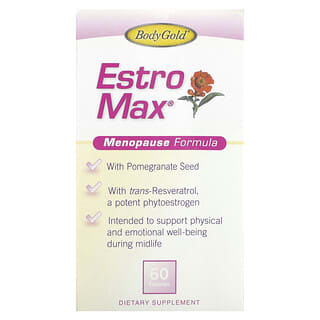 | 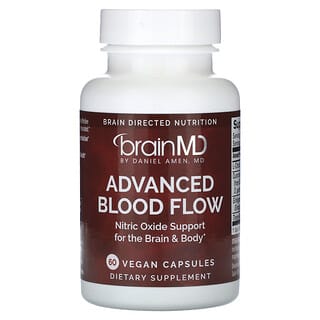 |
| Brand | Biotivia | BodyGold | BrainMD |
| Form/Purity | High Purity Trans-Resveratrol | High Purity Trans-Resveratrol | High Purity Trans-Resveratrol |
| Advantage | Anti-Aging & Cellular Health | Anti-Aging & Cellular Health | Anti-Aging & Cellular Health |
| Price | $79.12 | $12.99 | $28.95 |
| Link | Shop on iHerb | Shop on iHerb | Shop on iHerb |
Disclaimer: This analysis is based on available scientific literature. Consult with a healthcare professional before starting any new supplement protocol.