Resveratrol: Unlocking Longevity Through Cellular Pathways
In the quest for extended healthspan and longevity, scientific research continuously uncovers compounds with remarkable biological properties. Among these, resveratrol stands out as a polyphenol that has garnered significant attention for its potential anti-aging effects. Found naturally in grapes, red wine, peanuts, and some berries, resveratrol has been the subject of extensive study, revealing its influence on fundamental cellular processes linked to aging and disease.
The Mechanism of Action: A Cellular Maestro
Resveratrol’s purported anti-aging benefits are largely attributed to its multifaceted interactions within cellular systems. A key area of focus has been its ability to activate sirtuins, a class of proteins known as deacetylases, particularly SIRT1. Sirtuins play crucial roles in cellular regulation, DNA repair, metabolism, and inflammation, often mimicking the beneficial effects of caloric restriction – a well-established method for extending lifespan in various organisms. By modulating these essential cellular pathways, resveratrol influences cellular health, stress resistance, and overall physiological function, potentially contributing to enhanced longevity.
Scientific Insights into Resveratrol’s Potential
Research has illuminated several pathways through which resveratrol exerts its influence, offering a deeper understanding of its impact on health and lifespan:
-
Modulating Cellular Survival and Programmed Cell Death: The maintenance of healthy tissues relies on a delicate balance of cell proliferation and the removal of damaged or unnecessary cells through regulated cell death. Extensive research outlines the intricate “Molecular mechanisms of cell death,” categorizing various subroutines crucial for physiological homeostasis (Nomenclature Committee on Cell Death 2018). Resveratrol is known to modulate these complex processes, potentially promoting the survival of healthy cells while facilitating the removal of dysfunctional ones, a critical aspect of anti-aging.
-
Combating Ferroptosis and Oxidative Stress: Cellular integrity is constantly challenged by oxidative stress. A distinct form of regulated cell death, known as “Ferroptosis,” is characterized by the iron-dependent accumulation of lethal levels of lipid hydroperoxides. This process represents an ancient vulnerability linked to metabolism and redox biology (Dixon et al., 2012). Resveratrol, with its established antioxidant properties, may mitigate the lipid peroxidation that drives ferroptosis, thereby protecting cells from this specific form of damage and contributing to cellular resilience against aging-related decline.
-
Targeting Inflammation as a Driver of Aging: Chronic low-grade inflammation, often termed “inflammaging,” is a significant contributor to the aging process and numerous age-related diseases. Research highlights how a prolonged activated immune system can lead to exacerbated sickness and even contribute to conditions like depression (Dantzer et al., 2008). Resveratrol has demonstrated potent anti-inflammatory properties, intervening in inflammatory pathways. By reducing chronic inflammation, resveratrol may alleviate a key driver of cellular and tissue damage, thereby supporting healthy aging.
-
Promoting Cellular Recycling through Autophagy: Autophagy is a fundamental cellular process responsible for recycling damaged cellular components and organelles, ensuring cellular cleanliness and proper function. The precise “Guidelines for the use and interpretation of assays for monitoring autophagy” underscore its critical importance in cellular health (Klionsky et al., 2012). Resveratrol is recognized as an activator of autophagy. By enhancing this cellular self-cleaning mechanism, resveratrol helps maintain cellular vitality, remove potentially harmful accumulations, and supports cellular adaptation to stress, all of which are vital for longevity.
-
Direct Evidence from Longevity Studies: Perhaps the most direct evidence for resveratrol’s anti-aging potential comes from studies demonstrating its impact on lifespan in living organisms. A landmark study revealed that “Resveratrol improves health and survival of mice on a high-calorie diet,” significantly increasing their survival and shifting their physiology towards that of mice on a standard diet. This effect was found to be dependent on Sir2 (the mouse equivalent of SIRT1), mirroring the beneficial effects observed with caloric restriction (Baur et al., 2006). This research provides compelling evidence for resveratrol’s ability to influence healthspan and lifespan in mammals.
Summary and Benefits
The collective body of scientific evidence suggests that resveratrol is a molecule with profound implications for anti-aging and longevity. Through its ability to activate sirtuins, modulate cell death pathways, exhibit antioxidant and anti-inflammatory effects, and promote cellular recycling via autophagy, resveratrol appears to act as a comprehensive cellular protector and enhancer.
Its capacity to shift physiological parameters and extend survival in animal models underscores its potential as a compound that could contribute to a healthier, longer life. While much of the foundational research is conducted in preclinical models, the consistent findings across various cellular and organismal studies position resveratrol as a promising area for continued investigation into extending human healthspan.
References:
- Baur, J. A., Pearson, K. J., Price, N. L., Jamieson, H. A., Lerin, C., Kalra, A., … & Sinclair, D. A. (2006). Resveratrol improves health and survival of mice on a high-calorie diet. Nature, 444(7117), 337-342.
- Dantzer, R., O’Connor, J. C., Freund, G. G., Johnson, R. W., & Kelley, K. W. (2008). From inflammation to sickness and depression: when the immune system subjugates the brain. Nature Reviews Neuroscience, 9(1), 46-56.
- Dixon, S. J., Lemberg, K. M., L Uncommon, A., Doll, R. F., Krainz, R. G., Jiang, X., … & Stockwell, B. R. (2012). Ferroptosis: A regulated cell death nexus linking metabolism, redox biology, and disease. Cell, 149(5), 1060-1072.
- Klionsky, D. J., Abdalla, F. E., Abeliovich, H., Abraham, R. T., Acevedo-Arozena, A., Adachi, H., … & Zughaier, S. M. (2012). Guidelines for the use and interpretation of assays for monitoring autophagy. Autophagy, 8(4), 445-544.
- Galluzzi, L., Vitale, I., Aaronson, J. M., Abrams, J. M., Adam, D., Agostinis, P., … & Kroemer, G. (2018). Molecular mechanisms of cell death: recommendations of the Nomenclature Committee on Cell Death 2018. Cell Death & Differentiation, 25(3), 486-547.
📊 Top 3 Resveratrol Recommendations (PhD’s Choice)
Based on scientific evidence, formulation purity, and market reputation.
| Selection | |||
|---|---|---|---|
| Visual |  | 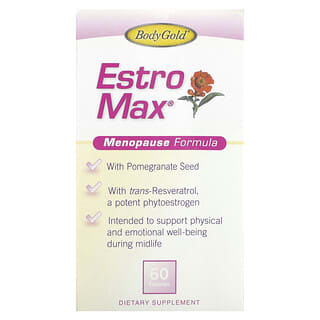 | 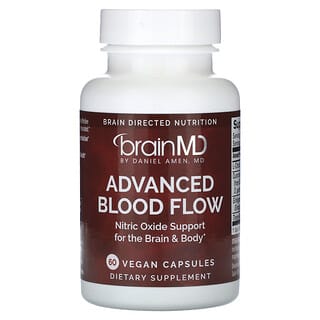 |
| Brand | Biotivia | BodyGold | BrainMD |
| Form/Purity | High Purity Extract | High Purity Extract | High Purity Extract |
| Advantage | Anti-Aging & Cellular Health | Anti-Aging & Cellular Health | Anti-Aging & Cellular Health |
| Price | $79.12 | $12.99 | $28.95 |
| Link | Shop on iHerb | Shop on iHerb | Shop on iHerb |
Disclaimer: This analysis is based on available scientific literature. Consult with a healthcare professional before starting any new supplement protocol.