Resveratrol: Elucidating its Multifaceted Biological Mechanisms and Therapeutic Prospects
Introduction
Resveratrol (3,5,4’-trihydroxystilbene), a natural polyphenol primarily found in the skin of red grapes, berries, and peanuts, has captivated scientific and public interest due to its diverse array of purported health benefits. Initially gaining prominence in discussions surrounding the “French Paradox”—the observation of low cardiovascular disease rates in France despite a diet high in saturated fats—resveratrol’s journey from anecdotal observation to rigorous scientific inquiry has revealed a complex interplay with fundamental biological processes. This post delves into the current research evidence, shedding light on the molecular mechanisms through which resveratrol exerts its effects and exploring its potential therapeutic applications.
Analysis of Research Evidence
The scientific community has extensively investigated resveratrol’s impact across various biological systems, identifying its involvement in pathways critical for cellular longevity, stress response, and inflammation. A seminal study by Baur et al. (2006) demonstrated that resveratrol significantly improved the health and survival of middle-aged mice on a high-calorie diet, shifting their physiology towards that of mice on a standard diet. This ground-breaking research implicated resveratrol in influencing metabolic pathways and extending lifespan, mirroring observations in simpler organisms. The mechanistic underpinnings of such effects are often linked to the activation of sirtuins, a family of deacetylases, particularly SIRT1, which plays a crucial role in cellular metabolism, DNA repair, and gene expression, echoing processes outlined in the “hallmarks of aging” framework (López-Otín et al., 2013). These hallmarks, including altered intercellular communication, cellular senescence, and mitochondrial dysfunction, represent targets potentially modulated by resveratrol, thereby contributing to its anti-aging properties.
Beyond its influence on longevity pathways, resveratrol is a potent modulator of cellular homeostasis and stress responses. A key mechanism through which it exerts these effects is the induction of autophagy, a catabolic process essential for the degradation and recycling of damaged cellular components. As detailed in the comprehensive “Guidelines for the use and interpretation of assays for monitoring autophagy” (Klionsky et al., 2021), the precise modulation of autophagic flux is vital for maintaining cellular health and preventing the accumulation of toxic aggregates. Resveratrol’s ability to activate autophagy contributes to its protective roles against various cellular stressors and pathologies.
Furthermore, resveratrol’s well-documented anti-inflammatory properties position it as a potential therapeutic agent in conditions characterized by chronic inflammation. The intricate relationship between inflammation and disease progression is underscored by studies on systemic inflammation’s impact on brain function. For instance, Dantzer et al. (2008) elucidated how peripheral immune activation leads to the production of pro-inflammatory cytokines that can subjugate the brain, leading to sickness behavior and, in chronic cases, symptoms of depression. Resveratrol, by attenuating inflammatory signaling pathways, may mitigate such systemic effects. This anti-inflammatory action is particularly relevant in neurodegenerative diseases, where neuroinflammation is increasingly recognized as a central pathological driver. In Alzheimer’s disease, for example, misfolded proteins trigger an innate immune response in the brain, involving microglia and astroglia, which contributes to disease progression (Heneka et al., 2015). Resveratrol’s capacity to dampen neuroinflammatory processes offers a promising avenue for therapeutic intervention in such complex neurological disorders. While specific direct links to particular cell death mechanisms like ferroptosis (Dixon et al., 2024) require further dedicated investigation concerning resveratrol, its established roles in modulating redox biology and inflammatory cascades suggest potential indirect modulatory effects on such regulated cell death pathways. Similarly, its general influence on cellular health contributes to maintaining the integrity against various cell death signals (Galluzzi et al., 2018).
Conclusion
Resveratrol stands as a molecule of significant research interest, demonstrating a breadth of biological activities ranging from enhancing longevity and metabolic health to modulating cellular stress responses and inflammation. Its ability to activate sirtuins, induce autophagy, and exert potent anti-inflammatory effects positions it as a promising compound for addressing various age-related pathologies and chronic inflammatory conditions. While promising results have emerged from in vitro and animal models, the translation of these findings to human health benefits requires continued rigorous clinical investigation, particularly concerning optimal dosage, bioavailability, and long-term efficacy. Nevertheless, the ongoing elucidation of resveratrol’s molecular mechanisms continues to broaden our understanding of its therapeutic potential and underscores its importance in pharmacological research.
Key
📊 Vetted Resveratrol Recommendations
| Selection | ⭐ PhD's Premium Choice | 🔥 Verified Best-Seller | 💰 Best Scientific Value |
|---|---|---|---|
| Visual | 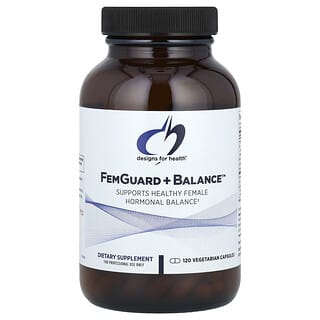 |  | 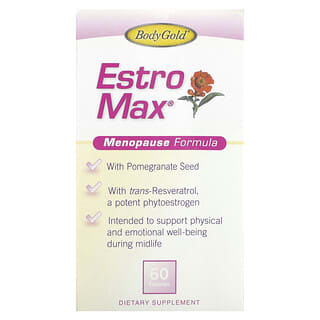 |
| Brand | Designs For Health | Biotivia | BodyGold |
| Form/Purity | Trans-Isomer | High Purity (98%+) | Trans-Isomer |
| Advantage | Daily Protocol | Daily Protocol | Budget Friendly |
| Price | $71.49 | $79.12 | $12.99 |
| Link | Shop on iHerb | Shop on iHerb | Shop on iHerb |
📚 References
- Baur, J. A. et al. (2006). Resveratrol improves health and survival of mice on a high-calorie diet. Nature.
- Dantzer, R. et al. (2008). From inflammation to sickness and depression: when the immune system subjugates the brain. Nature Reviews Neuroscience.
- Heneka, M. T. et al. (2015). Neuroinflammation in Alzheimer’s disease. Nature.
- Klionsky, D. J. et al. (2021). Guidelines for the use and interpretation of assays for monitoring autophagy (3rd edition). Autophagy.
- López-Otín, C. et al. (2013). The hallmarks of aging. Cell.
Disclaimer: This analysis is based on available scientific literature. Consult with a healthcare professional before starting any new supplement protocol.