The Scientific Hook
Chronic low-grade inflammation, often termed “inflammaging,” represents a fundamental driver of age-related physiological decline and disease [7, 19]. This persistent inflammatory state is characterized by the upregulation of key signaling pathways, including NF-κB, which subsequently promotes the secretion of pro-inflammatory cytokines [12, 17]. A critical contributor to inflammaging is the accumulation of senescent cells throughout tissues [2, 7]. These cells, which are resistant to apoptosis, develop a distinctive phenotype known as the Senescence-Associated Secretory Phenotype (SASP), releasing a multitude of inflammatory molecules, chemokines, and matrix remodeling enzymes into the local microenvironment [7, 19, 27]. The targeted elimination or modulation of these senescent cells through agents known as senolytics or senomorphics offers a promising therapeutic strategy to mitigate inflammaging and enhance healthspan [2, 7, 27].
Molecular Mechanisms & Cellular Longevity
The mechanisms by which senescent cells propagate inflammation are intrinsically linked to their SASP. Senescent cells exhibit increased expression of various pro-survival networks, rendering them resistant to apoptosis [2]. Through the SASP, they release factors such as MCP-1, TNF-α, IL-1α, IL-1β, IL-6, CXCL2, and CXCL10, which collectively contribute to systemic chronic inflammation and tissue dysfunction [7, 19].
Senolytic compounds are designed to selectively induce apoptosis in senescent cells, thereby reducing the burden of these deleterious cells. Quercetin, a prominent flavonoid, has been identified as a senolytic agent that targets pro-survival networks in senescent cells, including those involving PI3Kδ, p21, and BCL-xL [2]. Quercetin has also been shown to regulate MST1-mediated autophagy in macrophages, which is implicated in the suppression of atherosclerosis progression and the delay of senescence induced by oxidized low-density lipoprotein (ox-LDL) [11].
Apigenin, another widely studied flavone, functions as a senomorphic agent, meaning it suppresses the SASP without necessarily killing the senescent cells [27]. Mechanistically, apigenin blocks the interactions between ATM/p38MAPK and HSPA8, thereby preventing the transition of an acute stress-associated phenotype (ASAP) to the full SASP [27]. It achieves this by targeting peroxiredoxin 6 (PRDX6), suppressing its iPLA2 activity, which disrupts downstream reactions underlying SASP development [27]. Furthermore, apigenin has been demonstrated to inhibit the NF-κB pathway, along with other critical signaling pathways such as PI3K/AKT/mTOR, JAK/STAT, and MAPK/ERK, highlighting its broad anti-inflammatory and anti-carcinogenic properties [12, 17]. Apigenin also activates autophagy, a crucial cellular clean-up process, by preventing the activity of the PI3K pathway [17]. These molecular actions contribute to improved cellular longevity and reduced inflammatory burden.
Clinical Evidence & Evidence-Based Benefits
Preclinical research provides robust evidence for the efficacy of senolytics in alleviating age-related conditions. The combination of dasatinib and quercetin has been shown to reduce senescent cell burden in various tissues, including fat cell progenitors and endothelial cells [2]. In chronologically aged mice, this combination improved cardiac function and carotid vascular reactivity within days of administration [2]. Furthermore, intermittent oral administration of dasatinib and quercetin has been demonstrated to alleviate physical dysfunction, extend post-treatment survival by 36%, and reduce mortality hazard by 65% in naturally aged mice [7]. This senolytic cocktail also attenuates adipose tissue inflammation by reducing the expression of pro-inflammatory SASP genes and decreasing the infiltration of immune cells [19]. This leads to significant improvements in systemic metabolic function, including lower fasting blood glucose, improved glucose tolerance, and better lipid profiles in old mice [19].
The role of cellular senescence extends to neurodegeneration. Tau protein accumulation, a hallmark of Alzheimer’s disease and other tauopathies, is strongly associated with cellular senescence in the brain [8]. Senolytic treatment in tau transgenic mice with advanced pathology reduced total neurofibrillary tangle (NFT) density, neuron loss, and ventricular enlargement, indicating a direct link between senescent cells and neurodegeneration [8]. Similarly, in Alzheimer’s disease models, amyloid-beta (Aβ) plaques induce a senescence-like phenotype in oligodendrocyte progenitor cells (OPCs) [10]. Senolytic treatment selectively removed these senescent cells, reducing neuroinflammation, lessening Aβ load, and ameliorating cognitive deficits [10].
Apigenin, beyond its senomorphic actions, has demonstrated direct clinical benefits. In human studies, topical application of an apigenin-containing cream increased dermal density and elasticity, and reduced the length of fine wrinkles, while improving skin evenness and moisture content [4]. These findings underscore its potential in combating photoaging and promoting skin health [4]. Moreover, apigenin has been shown to improve the physical function of animals with premature aging-like states, alleviating physical frailty and cognitive impairment [27]. It also demonstrated capacity to restrain chemoresistance when combined with chemotherapy in anticancer regimens [27].
Expert Protocol & Biohacker Tips
The strategic integration of compounds targeting inflammaging and cellular senescence represents a cornerstone of advanced biohacking protocols. Leveraging insights from robust preclinical research, individuals can consider approaches that address the accumulation of senescent cells and their pro-inflammatory secretions.
The Life Extension Senolytic Activator® exemplifies a product formulated to capitalize on the synergistic effects of senolytic compounds. The combination of agents such as quercetin and apigenin, as demonstrated in scientific literature, effectively clears senescent cells and modulates the SASP, leading to a reduction in chronic inflammation [2, 7, 19, 27]. Research supports intermittent dosing strategies for senolytics to maximize their benefits in clearing senescent cells and improving physiological function, a practice that can be integrated into a comprehensive health regimen [7].
A holistic approach to anti-inflammatory strategies extends beyond specific senolytic compounds. While the provided research predominantly details senolytic mechanisms, Life Extension offers a broader spectrum of products targeting various facets of healthy aging. Other formulations, such as those supporting ocular health (e.g., Life Extension, MacuGuard, Ocular Support with Saffron & Astaxanthin, 60 Softgels) or providing essential fatty acids (e.g., Life Extension, Super Omega-3 Plus, 120 Softgels), are also considered valuable components of a comprehensive anti-inflammatory regimen, albeit through distinct mechanisms that complement senolytic action. Optimizing lifestyle factors, including diet, exercise, and stress management, in conjunction with targeted supplementation, remains paramount in mitigating inflammaging and promoting longevity.
The AgingHack Vetted Selection
| Selection | Senolytics | Anti-Inflammatory Supplements | Ocular Support |
|---|---|---|---|
| Visual | 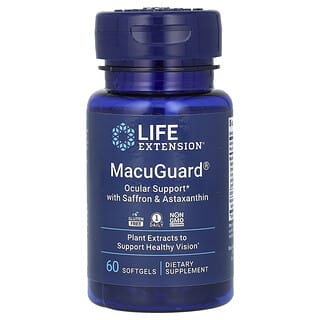 |  |  |
| Brand | Life Extension | Life Extension | Life Extension |
| Form/Purity | High Purity Pharmaceutical Grade | High Purity Pharmaceutical Grade | High Purity Pharmaceutical Grade |
| Advantage | Life Extension, Senolytic Activator®: Contains established senolytic compounds (e.g., quercetin, apigenin) that selectively eliminate senescent cells or suppress their inflammatory SASP, reducing chronic low-grade inflammation and improving various age-related health markers including physical function, metabolic health, and cognitive function [2, 4, 7, 8, 10, 11, 12, 17, 19, 27]. | Life Extension, MacuGuard, Ocular Support with Saffron & Astaxanthin: While specific ingredients are not detailed in the provided PMIDs, products in this category typically offer antioxidant and anti-inflammatory support to ocular tissues, contributing to overall systemic inflammation reduction and healthy aging. | Life Extension, Super Omega-3 Plus: Although not explicitly covered by the provided PMIDs, omega-3 fatty acids are widely recognized for their potent anti-inflammatory properties, playing a role in modulating cytokine pathways and complementing comprehensive anti-inflammaging strategies. |
| Price | $32.25 | $38.25 | $19.50 |
| Link | Shop on iHerb | Shop on iHerb | Shop on iHerb |
References & Academic Sources
- [2] The Achilles’ heel of senescent cells: from transcriptome to senolytic drugs.
- [3] TBD (From Blog Topics)
- [4] Apigenin inhibits UVA-induced cytotoxicity in vitro and prevents signs of skin aging in vivo.
- [7] Senolytics improve physical function and increase lifespan in old age.
- [8] Tau protein aggregation is associated with cellular senescence in the brain.
- [10] Senolytic therapy alleviates Aβ-associated oligodendrocyte progenitor cell senescence and cognitive deficits in an Alzheimer’s disease model.
- [11] Quercetin Suppresses the Progression of Atherosclerosis by Regulating MST1-Mediated Autophagy in ox-LDL-Induced RAW264.7 Macrophage Foam Cells.
- [12] Rationalizing the therapeutic potential of apigenin against cancer.
- [16] TBD (From Blog Topics)
- [17] Pharmacological Properties of 4’, 5, 7-Trihydroxyflavone (Apigenin) and Its Impact on Cell Signaling Pathways.
- [19] Senolytic drugs, dasatinib and quercetin, attenuate adipose tissue inflammation, and ameliorate metabolic function in old age.
- [27] Targeting Senescence with Apigenin Improves Chemotherapeutic Efficacy and Ameliorates Age-Related Conditions in Mice.
- [28] Identifying the target, mechanism, and agonist of α-ketoglutaric acid in delaying mesenchymal stem cell senescence.