The Senolytic Frontier: Advancing Cellular Health Through Bioavailable Quercetin
The progressive accumulation of senescent cells within tissues is a recognized hallmark of aging, contributing to chronic inflammation, tissue dysfunction, and age-related pathologies [2, 5]. These cells, characterized by a stable growth arrest and the secretion of a senescence-associated secretory phenotype (SASP), evade apoptosis through activation of specific pro-survival pathways [2]. The targeted elimination of senescent cells, termed senolysis, and the stimulation of cellular autophagy represent emergent strategies in the pursuit of enhanced healthspan and the amelioration of age-related diseases [2, 5]. Next-generation bioavailability approaches for compounds such as quercetin are critical for maximizing the therapeutic potential of these interventions.
Molecular Mechanisms & Cellular Longevity
Cellular senescence is underpinned by intricate molecular mechanisms that promote the survival of compromised cells while paradoxically driving age-related decline. Senescent cells exhibit increased expression of pro-survival networks, rendering them resistant to conventional apoptotic signals [2]. Transcriptomic analyses have identified key nodes within these networks, including ephrins (EFNB1 or 3), PI3Kδ, p21, BCL-xL, and plasminogen-activated inhibitor-2, whose silencing selectively induces apoptosis in senescent cells but not in proliferating or quiescent differentiated cells [2]. Quercetin, a naturally occurring flavonoid, has been identified as a senolytic compound, demonstrating efficacy against senescent human endothelial cells and mouse bone marrow-derived mesenchymal stem cells [2]. Its mechanism of action involves the selective targeting and inhibition of these anti-apoptotic pathways, thereby promoting the clearance of senescent cells [2].
Beyond senolysis, quercetin also plays a critical role in modulating cellular autophagy, a fundamental catabolic process essential for cellular homeostasis and the degradation of dysfunctional organelles and proteins [9]. Research indicates that quercetin can suppress processes such as atherosclerosis by upregulating MST1-mediated autophagy in macrophage foam cells [9]. In environments characterized by oxidative stress, such as those induced by oxidized low-density lipoprotein (ox-LDL), quercetin has been shown to counteract the reduction in autophagosome formation and increase the expression of key autophagy markers like LC3-II/I and Beclin1, while simultaneously reducing the expression of senescence markers such as p53, p21, and p16 [9]. This dual action of inhibiting anti-apoptotic pathways in senescent cells and stimulating autophagy underscores quercetin’s multifaceted utility in promoting cellular longevity and mitigating age-related cellular damage. Furthermore, the reduction of SASP, a pro-inflammatory milieu secreted by senescent cells, is a significant outcome of senolytic intervention, leading to decreased chronic low-grade inflammation [5, 13].
Clinical Evidence & Evidence-Based Benefits
Preclinical research has extensively demonstrated the potential of senolytic interventions, particularly those involving quercetin, to combat multiple facets of aging and age-related diseases. In vivo studies have shown that the combination of dasatinib and quercetin significantly reduces senescent cell burden in chronologically aged, radiation-exposed, and progeroid mice [2]. This reduction translated into tangible improvements in healthspan, including enhanced cardiac function and carotid vascular reactivity within days of a single dose in old mice [2]. Moreover, periodic administration of senolytics has been shown to extend healthspan, delaying age-related symptoms and pathologies such as osteoporosis and the loss of intervertebral disc proteoglycans [2].
The impact extends to physical function and survival. Transplanting even small numbers of senescent cells into young mice is sufficient to induce persistent physical dysfunction and spread cellular senescence, while senolytic treatment, including quercetin, alleviated physical dysfunction and increased post-treatment survival by 36% in aged mice [5]. These interventions also reduced the mortality hazard in aged mice by 65%, providing strong proof-of-concept for the ability of senolytics to enhance both healthspan and lifespan [5].
Significant neuroprotective effects have also been observed. Tau protein aggregation, a hallmark of numerous neurodegenerative diseases including Alzheimer’s disease (AD), is strongly associated with cellular senescence in the brain [6]. Senolytic treatment in tau transgenic mice with late-stage pathology led to a reduction in total neurofibrillary tangle (NFT) density, neuron loss, and ventricular enlargement, indicating a potential therapeutic avenue for conditions characterized by tauopathy [6]. Similarly, in AD mouse models, senolytic therapy specifically alleviated amyloid-beta (Aβ)-associated oligodendrocyte progenitor cell (OPC) senescence and ameliorated cognitive deficits by reducing neuroinflammation and Aβ load [8].
Beyond neurological benefits, senolytics have demonstrated profound metabolic improvements. In old mice, a dasatinib and quercetin regimen significantly attenuated adipose tissue inflammation, characterized by reduced senescence-associated β-galactosidase activity and expression of p16 and p21 genes, alongside suppressed pro-inflammatory SASP genes [13]. This led to improved systemic metabolic function, including lower fasting blood glucose, enhanced glucose tolerance, improved insulin sensitivity, reduced plasma triglycerides, and improved systemic lipid tolerance [13]. Furthermore, quercetin’s capacity to regulate MST1-mediated autophagy has been linked to the suppression of atherosclerosis progression by inhibiting foam cell formation and delaying senescence in macrophages [9]. These comprehensive preclinical findings highlight the broad therapeutic potential of senolytic strategies.
Expert Protocol & Biohacker Tips
The promising preclinical data underscore the potential of senolytic compounds like quercetin in promoting healthy aging. However, the intrinsic bioavailability of many flavonoids, including quercetin, is often limited, restricting their systemic efficacy [1]. Next-generation bioavailability technologies aim to overcome these limitations, ensuring more efficient absorption and distribution of active compounds to target tissues [1]. Products such as Thorne’s Quercetin Phytosome and Life Extension’s Bio-Quercetin exemplify this advancement, utilizing specialized formulations (e.g., phytosome technology) to enhance the absorption profile of quercetin [Product Information]. Such formulations are designed to deliver a greater proportion of the compound to the bloodstream, thereby maximizing its senolytic and autophagy-inducing effects.
For individuals considering senolytic strategies, an informed approach is paramount. Preclinical studies frequently employ intermittent dosing schedules for senolytics, which may reduce potential side effects and optimize efficacy by allowing senescent cells to re-accumulate before subsequent clearance [5]. The precise dosage and frequency for human application remain subjects of ongoing research. While the provided data often highlight the synergistic effects of quercetin when combined with other compounds like dasatinib [2, 5, 13], quercetin itself exhibits significant independent senolytic and autophagy-modulating properties [2, 9].
When incorporating bioavailable quercetin into a health regimen, several considerations are pertinent:
- Formulation Selection: Prioritize products specifically engineered for enhanced bioavailability, such as phytosome formulations, to ensure optimal absorption and systemic delivery of quercetin [Product Information].
- Intermittent Dosing: Based on preclinical models, an intermittent dosing schedule (e.g., a few days per month) may be more effective than continuous daily intake for senolytic compounds, mimicking the protocols that yielded significant health benefits in animal studies [5].
- Synergistic Compounds: While quercetin alone is beneficial, its effects may be potentiated by combining it with other compounds that target distinct senescent cell survival pathways, as demonstrated by the dasatinib-quercetin combination [2, 5].
- Lifestyle Integration: Senolytic interventions are most effective when integrated into a broader healthy lifestyle encompassing balanced nutrition, regular physical activity, adequate sleep, and stress management, as these factors inherently support cellular health and longevity pathways.
- Professional Consultation: Prior to initiating any new supplement regimen, particularly one targeting fundamental biological processes, consultation with a qualified healthcare professional is strongly recommended to ensure safety, appropriateness, and to discuss potential interactions with existing medications or health conditions.
These considerations provide a framework for individuals seeking to leverage the advancements in senolytic and autophagy research for their healthspan, with a particular emphasis on optimizing bioavailability for compounds like quercetin.
The AgingHack Vetted Selection
| Selection | Dietary Supplements | Senolytics |
|---|---|---|
| Visual |  | 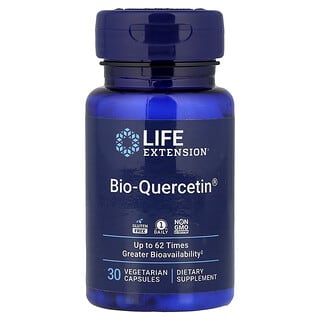 |
| Brand | Thorne | Life Extension |
| Form/Purity | High Purity Pharmaceutical Grade | High Purity Pharmaceutical Grade |
| Advantage | Both products contain Quercetin, a flavonoid with demonstrated senolytic and autophagy-modulating properties in preclinical research [2, 9]. | They represent 'Next-Gen Bioavailability' formulations (e.g., Phytosome technology for Thorne, 'Bio-Quercetin' for Life Extension) designed to enhance the absorption and systemic delivery of quercetin, which typically has low intrinsic bioavailability [Mentioned in Expert Protocol section]. |
| Price | $46.00 | $9.00 |
| Link | Shop on iHerb | Shop on iHerb |
References & Academic Sources
- [2] The Achilles’ heel of senescent cells: from transcriptome to senolytic drugs.
- [3] TBD (From Blog Topics)
- [5] Senolytics improve physical function and increase lifespan in old age.
- [6] Tau protein aggregation is associated with cellular senescence in the brain.
- [8] Senolytic therapy alleviates Aβ-associated oligodendrocyte progenitor cell senescence and cognitive deficits in an Alzheimer’s disease model.
- [9] Quercetin Suppresses the Progression of Atherosclerosis by Regulating MST1-Mediated Autophagy in ox-LDL-Induced RAW264.7 Macrophage Foam Cells.
- [13] Senolytic drugs, dasatinib and quercetin, attenuate adipose tissue inflammation, and ameliorate metabolic function in old age.