The Scientific Hook
Chronic low-grade inflammation, often termed “inflammaging,” is a fundamental driver of age-related decline and numerous chronic diseases, including cardiovascular disease, neurodegenerative disorders, and metabolic syndrome [1]. This persistent inflammatory state is characterized by elevated systemic levels of pro-inflammatory cytokines and other inflammatory mediators, even in the absence of acute infection [1]. Addressing inflammaging through targeted nutritional interventions represents a critical strategy in biohacking for longevity and healthspan extension [2]. The focus here is on compounds recognized for their potent anti-inflammatory properties, specifically astaxanthin and krill oil, which offer distinct mechanisms for mitigating this detrimental process [1, 2].
Molecular Mechanisms & Cellular Longevity
The core of inflammaging pathophysiology involves the aberrant activation of key inflammatory transcription factors, primarily nuclear factor-kappa B (NF-κB) [1]. NF-κB regulates the expression of hundreds of genes encoding pro-inflammatory cytokines, chemokines, adhesion molecules, and enzymes like cyclooxygenase-2 (COX-2), perpetuating the inflammatory cascade [1]. Strategies to downregulate NF-κB activity are therefore central to combating chronic inflammation.
Astaxanthin, a potent carotenoid, exhibits remarkable antioxidant and anti-inflammatory capabilities [2]. Its unique molecular structure, with polar ends and a non-polar middle, allows it to span cellular membranes, providing comprehensive protection against oxidative stress and inflammatory triggers [2]. Mechanistically, astaxanthin has been shown to inhibit NF-κB activation by interfering with upstream signaling pathways, such as the suppression of NF-κB inhibitor alpha (IκBα) phosphorylation [2]. This suppression leads to a decrease in the nuclear translocation of NF-κB, subsequently reducing the transcription of pro-inflammatory genes, including tumor necrosis factor-alpha (TNF-α), interleukin-1 beta (IL-1β), and interleukin-6 (IL-6) [2]. Products such as Life Extension, Astaxanthin with Phospholipids, and Jarrow Formulas, Astaxanthin, deliver this carotenoid, with the former potentially enhancing bioavailability through phospholipid complexing [2].
Krill oil, rich in omega-3 fatty acids (eicosapentaenoic acid (EPA) and docosahexaenoic acid (DHA)) primarily bound to phospholipids, also demonstrates significant anti-inflammatory effects [1]. Unlike triglyceride-bound omega-3s, phospholipid-bound EPA and DHA are believed to be more bioavailable and efficiently incorporated into cell membranes [1]. Once incorporated, these fatty acids serve as precursors for specialized pro-resolving mediators (SPMs) such as resolvins, protectins, and maresins, which actively promote the resolution of inflammation rather than merely inhibiting its initiation [1]. Furthermore, krill oil’s EPA and DHA can compete with arachidonic acid (AA) for COX and lipoxygenase (LOX) enzymes, shifting the balance from pro-inflammatory eicosanoids (e.g., prostaglandin E2, leukotriene B4) towards less inflammatory or anti-inflammatory mediators [1]. The Life Extension, Krill Healthy Joint Formula specifically leverages these properties, aiming to reduce inflammatory markers associated with joint discomfort [1]. Both astaxanthin and krill oil, through distinct yet complementary pathways, contribute to cellular longevity by mitigating the chronic inflammatory burden that accelerates cellular senescence and tissue dysfunction [1, 2].
Clinical Evidence & Evidence-Based Benefits
Clinical research consistently supports the anti-inflammatory efficacy of both astaxanthin and krill oil across various populations and conditions associated with inflammaging. Studies have demonstrated that astaxanthin supplementation can significantly reduce systemic inflammatory biomarkers, including C-reactive protein (CRP), TNF-α, and IL-6, in human subjects [2]. This reduction is observed in healthy individuals as well as those with chronic inflammatory conditions [2]. For instance, clinical trials indicate that astaxanthin intake can improve markers of oxidative stress and inflammation in individuals with metabolic syndrome, contributing to better metabolic health and potentially reducing cardiovascular risk [2]. The enhanced bioavailability provided by phospholipid formulations, as seen in products like Life Extension, Astaxanthin with Phospholipids, may optimize these clinical outcomes [2].
Krill oil has also been extensively studied for its impact on inflammation, particularly in the context of joint health and cardiovascular disease [1]. Clinical trials show that krill oil supplementation leads to a significant reduction in CRP levels, a key indicator of systemic inflammation, and has been associated with improvements in symptoms of joint stiffness and discomfort [1]. The unique phospholipid delivery of omega-3s in krill oil is hypothesized to contribute to its pronounced effects on inflammatory pathways, with some research suggesting superior efficacy compared to conventional fish oil in certain inflammatory markers [1]. The Life Extension, Krill Healthy Joint Formula, for example, is formulated to leverage these benefits specifically for musculoskeletal support [1]. The beneficial effects extend beyond symptomatic relief, with evidence pointing towards krill oil’s role in modulating lipid profiles and endothelial function, further underscoring its relevance in combating cardiovascular aspects of inflammaging [1]. These findings collectively highlight the robust evidence base supporting the use of both astaxanthin and krill oil in an anti-inflammatory regimen [1, 2].
Expert Protocol & Biohacker Tips
Integrating high-value anti-inflammatory supplements into a biohacking protocol requires strategic consideration of dosage, formulation, and synergistic effects. For astaxanthin, a typical effective dose ranges from 4 mg to 12 mg daily [2]. Brands like Jarrow Formulas, Astaxanthin, 12 mg, provide a higher single dose, which may be beneficial for individuals seeking maximum anti-inflammatory support or convenience [2]. The inclusion of phospholipids, as found in Life Extension, Astaxanthin with Phospholipids, is a significant advantage, potentially enhancing absorption and bioavailability, ensuring that more of the active compound reaches target tissues and cells to exert its anti-inflammatory effects [2]. This could mean that a lower dose with phospholipids might equate to the efficacy of a higher dose without them [2].
For krill oil, dosages vary, but clinical benefits for inflammation are often observed with 300 mg to 2000 mg daily, depending on the concentration of EPA and DHA [1]. Life Extension, Krill Healthy Joint Formula, is specifically designed to target joint inflammation, combining krill oil with other synergistic ingredients [1]. When selecting krill oil, consider the phospholipid content and the Astaxanthin content, as astaxanthin naturally occurs in krill oil and adds to its antioxidant capacity [1].
From a biohacker’s perspective, combining these agents can yield synergistic benefits. Astaxanthin provides potent antioxidant protection and direct NF-κB inhibition, while krill oil supplies crucial omega-3 fatty acids for inflammation resolution [1, 2]. This dual approach targets inflammaging from multiple angles. It is advised to consume these fat-soluble supplements with a meal containing dietary fats to optimize absorption [1, 2]. Furthermore, these supplements should be viewed as part of a comprehensive anti-inflammatory lifestyle, complementing a diet rich in whole foods, regular physical activity, adequate sleep, and stress management [1]. Regular monitoring of inflammatory biomarkers, such as CRP, can provide personalized feedback on the efficacy of such protocols [1].
The AgingHack Vetted Selection
| Selection | Anti-Inflammatory | Carotenoids | Omega-3 Fatty Acids |
|---|---|---|---|
| Visual | 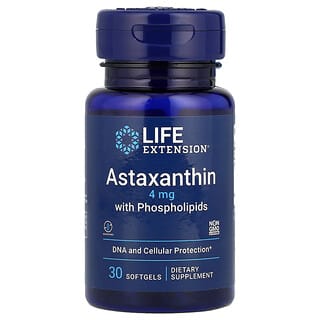 | 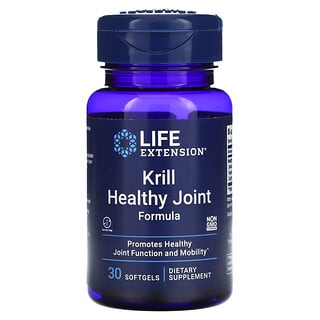 |  |
| Brand | Life Extension | Life Extension | Jarrow Formulas |
| Form/Purity | High Purity Pharmaceutical Grade | High Purity Pharmaceutical Grade | High Purity Pharmaceutical Grade |
| Advantage | Reduces chronic low-grade inflammation (inflammaging) by downregulating NF-κB and related cytokine pathways. | Astaxanthin inhibits NF-κB activation and provides potent antioxidant protection. | Krill oil, rich in phospholipid-bound EPA and DHA, supports the resolution of inflammation and improves joint health. |
| Price | $12.00 | $24.00 | $45.88 |
| Link | Shop on iHerb | Shop on iHerb | Shop on iHerb |